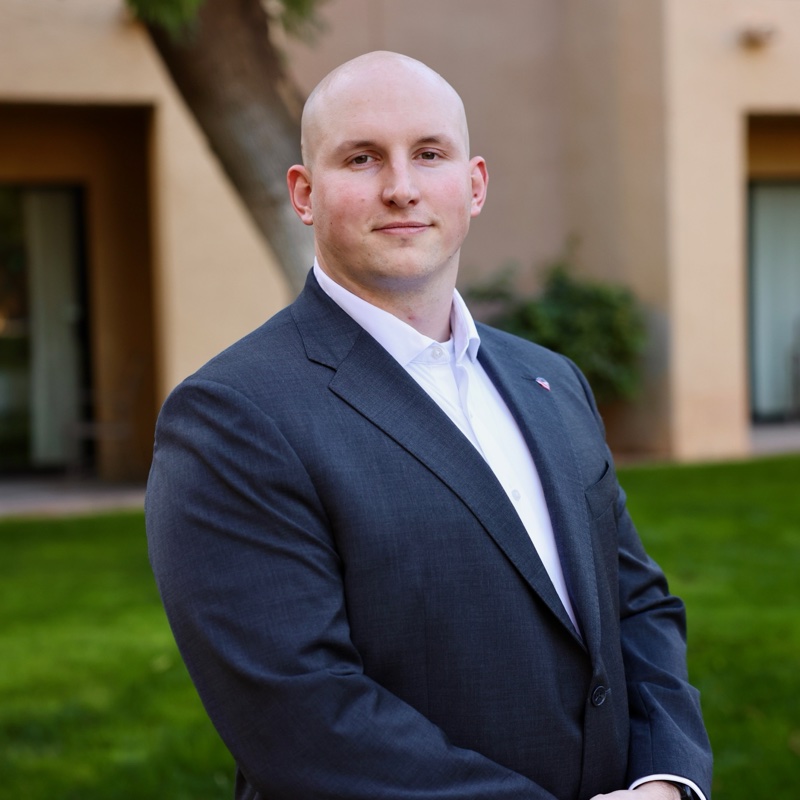
From Drone Operator to Tech Founder: A Veteran's Journey Building Nova
How a service-disabled veteran and UAS operator is building an AI-powered fintech startup to help people take control of their financial future.
 Nova TeamJanuary 20, 20266 min read
From Military Service to Startup Success: Lessons from Veteran Entrepreneurship
Military service and entrepreneurship might seem like opposite worlds — one structured and hierarchical, the other chaotic and self-directed. But veterans are starting businesses at rates significantly higher than civilians, and their military experience often becomes their secret weapon in the startup world.
The Veteran Entrepreneur Advantage
Veterans bring unique skills to entrepreneurship that can't be taught in business school:
Mission-First Mindset
Military training instills a focus on mission accomplishment above personal comfort. This translates directly to startup life, where the product and customers come first, even when it means working nights and weekends or taking a pay cut to reinvest in growth.
Adaptability Under Pressure
Military operations rarely go according to plan. Veterans learn to adapt quickly when circumstances change, a skill that's essential in the startup world where pivots, market changes, and unexpected challenges are constant.
Team Building and Leadership
Military experience teaches you how to build trust quickly, delegate effectively, and get the best out of people under stressful conditions. These leadership skills are crucial when you're building a team and company culture from scratch.
Attention to Detail and Process
In military aviation, logistics, or intelligence, small mistakes can have serious consequences. This attention to detail and systematic thinking helps veterans build robust, reliable products and processes — especially important in regulated industries like finance or healthcare.
Common Challenges Veterans Face in Startups
Despite these advantages, veteran entrepreneurs face unique obstacles:
The Network Gap
Many successful startups benefit from founder networks — college classmates, previous coworkers, industry connections. Veterans often find their professional networks are primarily other veterans or government employees, which can limit early customer acquisition and fundraising opportunities.
Civilian Business Culture Shock
Corporate culture, especially in tech, can feel foreign to veterans accustomed to direct communication and clear hierarchies. Learning to navigate ambiguous roles, consensus decision-making, and different communication styles takes time.
Resource Constraints
Unlike well-connected entrepreneurs who can tap family money or friend networks for initial funding, many veterans are bootstrapping or relying on personal savings and military benefits to fund their ventures.
Making Military Experience Work in Tech
Veterans who successfully transition to tech entrepreneurship often follow similar patterns:
Start with Problem-Solution Fit
The most successful veteran-founded companies start with real problems the founder experienced personally. Whether it's financial management, logistics coordination, or cybersecurity, authentic problem understanding gives credibility with early customers.
Leverage SDVOSB Status Strategically
Service-Disabled Veteran-Owned Small Business (SDVOSB) certification opens doors to government contracts and can be a differentiator in B2B sales. But it's most effective when the product genuinely solves problems for government or enterprise customers.
Build Diverse Teams Early
Smart veteran founders complement their military skills by hiring civilian employees who bring different perspectives, especially in areas like marketing, user experience, and business development where military experience may be less directly applicable.
Focus on Unit Economics and Sustainability
Military experience with resource constraints often translates to disciplined financial management. Veteran-founded companies tend to focus on profitability and sustainable growth rather than burning cash to chase vanity metrics.
The SDVOSB Advantage
Service-Disabled Veteran-Owned Small Business status provides concrete advantages:
- Government contracting opportunities — Set-aside contracts and preference points in federal procurement
- Corporate diversity programs — Many large companies have veteran supplier diversity initiatives
- Access to veteran business accelerators — Programs specifically designed to support veteran entrepreneurs
- Community and mentorship — Connection to other veteran business owners who understand both military and business contexts
But SDVOSB status works best when it's part of a broader strategy, not the entire business model.
Lessons from the Trenches
Veterans building startups learn quickly that success requires translating military strengths into civilian business value:
Use military precision for customer development. The same systematic approach that works for mission planning works for understanding customer needs and iterating on product features.
Apply military logistics thinking to operations. Supply chain management, process optimization, and resource allocation are all areas where military experience provides advantages.
Leverage security mindset for competitive advantage. In industries like fintech, healthcare, or government technology, military experience with security and compliance can be a major differentiator.
Channel service mentality into customer service. The military ethos of serving something bigger than yourself translates naturally into genuine customer service and product development.
Building for the Long Term
The most successful veteran entrepreneurs think like mission commanders: they define clear objectives, build sustainable operations, and focus on team development. They use their military experience as a foundation, not a crutch, and continuously learn civilian business skills to complement their service background.
Whether you're a veteran considering entrepreneurship or a civilian working with veteran-founded companies, the combination of military discipline and entrepreneurial creativity creates unique value. The skills that made someone effective in military service — leadership, adaptability, attention to detail, and mission focus — are exactly what startup success requires.
For veterans exploring entrepreneurship, consider how your specific military experience translates to civilian problems. The most successful veteran-founded companies don't just happen to be started by veterans — they leverage military experience to solve problems in ways that civilian-founded companies cannot.
Take, for example, a veteran-owned fintech startup that applies military precision and security mindset to financial data management — combining systematic problem-solving with genuine understanding of what it means to serve others before yourself.
Building a business requires the same commitment to mission success that military service demands. For veterans, that mindset isn't learned — it's already built in.
Interested in learning more about SDVOSB benefits or veteran entrepreneurship resources? Check out the SBA's SDVOSB page or connect with your local VBOC.
Keep Reading
- What Is Net Worth and Why Should You Track It?
- Military to Civilian Financial Transition Guide
- 5 Best Net Worth Tracking Apps in 2026
Keep Reading
- What Is Net Worth and Why Should You Track It?
- How AI Is Transforming Personal Finance Management
- 5 Best Net Worth Tracking Apps in 2026
Conclusion
Financial progress isn't about perfection — it's about visibility. When you can see where you stand, you can make better decisions about where to go next.
Get smarter about money
Weekly tips on building wealth, tracking net worth, and making better financial decisions. No spam, unsubscribe anytime.
Ready to track your net worth?
Join users who trust Nova to automatically track their wealth across all accounts.
Start Free TrialDisclaimer: This article is for informational and educational purposes only and does not constitute financial, tax, investment, or legal advice. Nova Net Worth is not a registered investment adviser, broker-dealer, or financial planner. Always consult a qualified professional regarding your specific situation. Read our full terms